

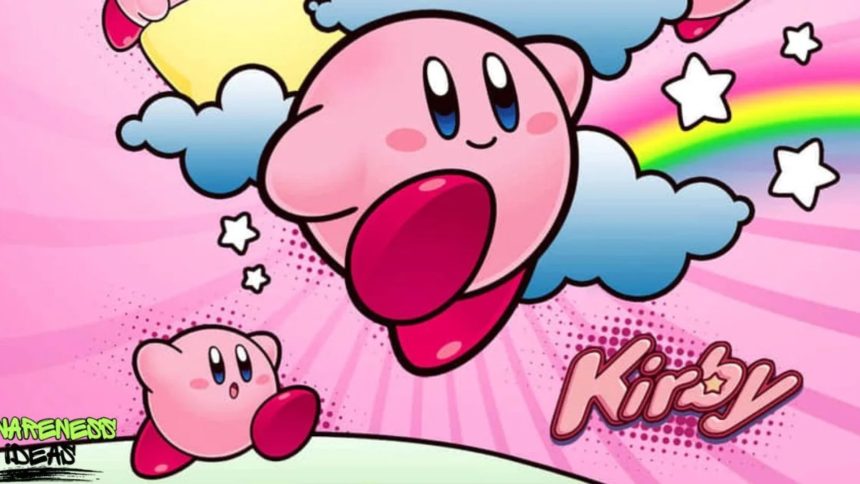
When you hear the name Kirby Dedo, what comes to mind? A round pink hero? A childhood memory of colorful worlds and catchy music? Or maybe you’re just curious about why this character has remained popular for decades. Whatever brought you here, you’re in the right place.
Let’s take a deep dive into the charming universe of Kirby, a character who may look simple on the outside but carries a surprisingly rich history and cultural impact. We’ll explore his origins, abilities, games, influence, and why he continues to win hearts across generations.
The Origins of a Pink Legend
Every great character has a beginning. And in this case, it all started with a small idea and a big dream.
Kirby was created by the Japanese developer HAL Laboratory and published by Nintendo. His first appearance was in the 1992 Game Boy title Kirby’s Dream Land.
At the time, the goal was simple: create a beginner-friendly game that anyone could enjoy. The result? A soft, round hero who could float, inhale enemies, and save his world without needing complex controls.
What’s fascinating is that Kirby was originally designed as a placeholder character during development. But his simple charm stuck. Sometimes, the most unexpected ideas become the most iconic.
A Character Built on Simplicity
If you look at Kirby, he doesn’t seem complicated. He’s small. He’s pink. He has big eyes and tiny arms. That’s it.
But that simplicity is his superpower.
Unlike many action heroes covered in armor or carrying weapons, Kirby relies on creativity. He inhales enemies and absorbs their abilities. It’s almost like he says, “If you can do it, so can I.”
Think of him as a blank canvas. Whatever challenge stands in front of him, he adapts. And that adaptability makes him relatable. After all, don’t we all wish we could “absorb” new skills that easily?
The Power of Copy Abilities
Inhaling as Innovation
Kirby’s signature move is inhaling enemies and copying their powers. Fire? He becomes a flame shooter. Sword? He turns into a blade-wielding hero. Ice? He freezes foes in their tracks.
This mechanic introduced variety into gameplay long before customization became common in games. Each ability changes how you approach obstacles and enemies.
Instead of being locked into one playstyle, players experiment. You might prefer hammer attacks. Or maybe you love flying with wing abilities. The choice feels personal.
Encouraging Creativity
The copy system doesn’t just make gameplay fun. It encourages problem-solving. You start thinking:
- Which ability works best here?
- Should I switch powers?
- Is there a hidden path I can reach with this skill?
It turns every level into a playground rather than a straight path.
The Expanding Universe of Games
Since 1992, Kirby has starred in dozens of titles across consoles. From 2D side-scrollers to 3D adventures, the series has constantly evolved.
One standout feature of the franchise is its willingness to experiment. Puzzle games. Racing spin-offs. Fighting appearances. Cooperative adventures. Kirby fits into almost any genre.
He also appears in the popular crossover series Super Smash Bros., where he faces off against characters from other franchises. His ability to copy opponents in that game cleverly mirrors his core identity.
Each new title builds on the last, adding mechanics while keeping the heart of the series intact.
The World of Dream Land and Beyond
Kirby’s home is Dream Land, located on Planet Popstar. It’s colorful, whimsical, and often deceptively peaceful.
You might think the bright skies and cheerful music mean everything is calm. But trouble always finds a way in. Whether it’s a stolen food supply or a cosmic threat, Kirby steps in without hesitation.
The worlds are imaginative: candy-themed landscapes, underwater kingdoms, mechanical fortresses, and mysterious dimensions. The creativity feels limitless.
Playing a Kirby game is like stepping into a storybook that suddenly bursts into action.
Memorable Friends and Rivals
No hero stands alone. Kirby’s world is filled with allies and opponents who add depth to his adventures.
One of his most famous rivals is Meta Knight. Masked, mysterious, and skilled with a sword, Meta Knight serves as both challenger and occasional ally. Their relationship adds complexity to the series.
Other recurring characters bring humor, tension, and teamwork into the story. These relationships prevent the games from feeling one-dimensional. They add personality and emotion.
Why Kirby Appeals to All Ages
Here’s a question: how many characters can entertain both a child and an adult equally?
Kirby manages it effortlessly.
Accessible Gameplay
The controls are easy to understand. You don’t need hours of practice to enjoy the game. That makes it welcoming for beginners.
Hidden Depth
At the same time, experienced players can chase collectibles, secret levels, and difficult boss fights. The games reward exploration and skill without punishing newcomers.
It’s like a playground with something for everyone—slides for the kids, climbing walls for the adventurers.
The Emotional Tone of the Series
Kirby games may look cute, but they often explore surprisingly dramatic themes.
Behind the cheerful surface, some stories touch on sacrifice, friendship, and even existential threats. Final bosses sometimes reveal darker undertones that contrast sharply with the bright art style.
This balance between lighthearted fun and epic stakes gives the series emotional range.
It’s a bit like cotton candy hiding a strong core. Sweet at first bite—but substantial when you look closer.
The Artistic Style and Music
Visual Identity
Kirby’s design is timeless. Smooth shapes, bright colors, and expressive animations make him instantly recognizable.
Even as graphics technology improves, the character’s core look remains consistent. That consistency builds brand identity.
Memorable Soundtracks
Music plays a huge role in the series. Catchy melodies stay in your head long after you put the controller down. The upbeat tunes create energy, while boss themes add intensity.
Sound and visuals together create a joyful atmosphere that defines the franchise.
Kirby’s Cultural Influence
Over the years, Kirby has moved beyond video games.
You’ll find merchandise, animated series, plush toys, and online fan communities. The character’s image is globally recognized.
Kirby also represents a softer side of heroism. He doesn’t rely on aggression or intimidation. Instead, he embodies kindness, resilience, and determination.
In a world filled with intense action heroes, that softness stands out.
The Evolution Into 3D Adventures
For many years, Kirby’s adventures were primarily 2D. Eventually, the series made a bold move into fully 3D gameplay.
Transitioning into three-dimensional spaces allowed for new mechanics and exploration styles. Yet, the developers carefully preserved what made Kirby special—copy abilities, floating movement, and colorful environments.
It’s proof that even long-running franchises can adapt without losing their identity.
Lessons We Can Learn from Kirby
It may sound surprising, but this little pink hero offers life lessons.
Adaptability Matters
Kirby succeeds because he adapts. He uses the tools available to him. In life, we do the same. We learn. We adjust. We grow.
Kindness Isn’t Weakness
Despite his cute appearance, Kirby is powerful. His design reminds us that strength doesn’t always look fierce.
Joy Is Powerful
The games emphasize fun. And sometimes, joy itself is a strength. It keeps us motivated
The Enduring Popularity of Kirby
Decades after his debut, Kirby remains relevant.
Why?
Because the core idea is timeless. Simple design. Creative gameplay. Universal themes. The franchise evolves without abandoning its roots.
New players discover him every year. Older fans return for nostalgia. It’s like meeting an old friend who hasn’t changed—but somehow feels fresh every time.
Conclusion
Kirby Dedo represents far more than just a pink character from a video game. He symbolizes creativity, adaptability, and the power of simplicity. From his humble beginnings on the Game Boy to expansive modern adventures, Kirby has shown that you don’t need complexity to create lasting impact.
Through innovative copy abilities, vibrant worlds, memorable music, and emotional storytelling, he continues to captivate audiences worldwide. His journey proves that charm, kindness, and imagination can carry a character across generations.
In many ways, Kirby reminds us that strength doesn’t always roar. Sometimes, it floats gently, smiles brightly, and saves the day in its own unique way.
Frequently Asked Questions (FAQs)
1. Who created Kirby?
Kirby was created by HAL Laboratory and published by Nintendo, first appearing in 1992 on the Game Boy.
2. What makes Kirby different from other game characters?
Kirby’s main difference lies in his ability to inhale enemies and copy their powers, allowing for varied gameplay styles.
3. Is Kirby suitable for children?
Yes, the games are designed to be beginner-friendly while still offering challenges for experienced players.
4. Has Kirby appeared in games outside his own series?
Yes, Kirby appears in crossover titles like Super Smash Bros., where he can battle characters from other franchises.
5. Why has Kirby remained popular for so long?
Kirby’s simple design, adaptable gameplay mechanics, emotional storytelling, and universal appeal have kept him relevant for decades.

