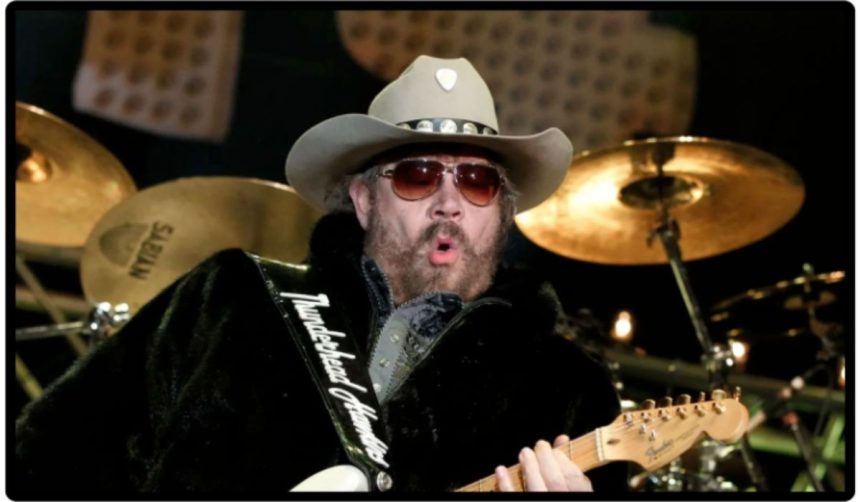
When people hear the name Hank Williams Jr., they don’t just think of a country singer—they think of a legacy, a voice that carries decades of American music history, and a career that feels as rugged and real as a backroad honky-tonk. But beyond the songs, awards, and unmistakable voice, many readers naturally wonder: how did all of this translate into wealth?
This article takes a full, honest look at Hank Williams Jr.’s financial journey. Not in a flashy, numbers-only way—but by exploring the story behind the success. Think of it like opening an old guitar case: inside, you don’t just find strings and wood, but memories, scars, and stories that shaped a life.
Introduction: More Than Just a Famous Last Name
Money stories are often boring when they’re just about numbers. But this one? It’s different. Hank Williams Jr.’s financial standing is tied deeply to survival, reinvention, and staying true to himself. Born into fame, nearly losing everything, and then building a career on his own terms—his journey feels less like a straight highway and more like a winding mountain road.
So, how did this country icon build his fortune, and what does it really represent? Let’s start from the beginning.
The Weight of a Legendary Name
Growing Up in a Musical Shadow
Imagine being born with expectations already written for you. That was Hank Williams Jr.’s reality. As the son of one of the most influential figures in country music history, he didn’t just inherit a name—he inherited pressure.
From a young age, he was expected to carry forward his father’s sound. Early performances were almost scripted, with audiences wanting a carbon copy of Hank Williams Sr. This early phase brought income, yes—but little freedom.
Early Earnings and Limited Control
During his childhood and teen years, earnings were largely guided by adults and managers. While money came in from performances and appearances, control over creative and financial decisions was minimal. This set the stage for a later desire to break free and redefine both his music and his worth.
A Near-Death Experience That Changed Everything
The Accident That Rewrote His Life
In the mid-1970s, a life-altering mountain accident nearly took his life. The injuries were severe, both physically and emotionally. Recovery took years, not months.
But here’s the twist: this moment, as painful as it was, became a turning point. Like a tree bent by a storm, he didn’t break—he grew in a new direction.
Financial Reset and Personal Independence
After recovery, he made a bold decision: stop trying to be someone else. This shift wasn’t just artistic; it was financial. New contracts, new audiences, and new revenue streams followed. Reinvention became the foundation of his long-term success.
Finding His Own Sound—and His Own Market
Blending Country, Rock, and Southern Grit
Once he stepped out of his father’s shadow, Hank Jr. embraced a blend of outlaw country, Southern rock, and blues. This unique style attracted a broader, more loyal fan base.
And loyalty matters. Loyal fans buy albums, attend concerts, and stick around for decades.
Album Sales That Built Real Wealth
Over the years, his records sold in massive numbers. Multi-platinum releases became common, not rare. Album sales weren’t just a creative win—they were a financial engine that fueled long-term stability.
Touring: Where the Real Money Flows
Live Performances as a Revenue Backbone
For many artists, touring is exhausting. For Hank Jr., it was essential. Decades of live shows across the U.S. brought in consistent income year after year.
Touring revenue includes ticket sales, merchandise, and appearance fees. When combined, these streams added up to a substantial portion of his overall wealth.
Connecting With Fans Face to Face
There’s something powerful about live music. Fans who see an artist perform are more likely to support them long-term. This connection helped sustain financial success even when the music industry changed.
Television, Branding, and Cultural Presence
Monday Night Football and Mainstream Exposure
One of the most recognizable aspects of his career outside music was his long association with sports broadcasting themes. That exposure brought him into millions of homes weekly.
This kind of visibility doesn’t just boost popularity—it increases brand value.
Licensing and Long-Term Royalties
Songs used in television, film, and advertising generate royalties that continue long after the work is done. These passive income streams quietly but steadily increase overall wealth.
Songwriting and Publishing Power
Owning the Words and the Music
Writing your own songs is like owning the land instead of renting it. Hank Jr.’s songwriting credits mean he earns from publishing rights whenever his music is played, streamed, or covered.
A Silent but Strong Income Stream
Publishing income doesn’t make headlines, but it builds wealth over time. Think of it like a river that never stops flowing—maybe not flashy, but always moving forward.
Business Choices Beyond Music
Investments and Real Assets
Over the years, income was not limited to entertainment. Like many seasoned artists, he invested in property and long-term assets. These choices helped protect wealth from industry ups and downs.
Financial Longevity Over Quick Wins
Instead of chasing trends, his approach leaned toward sustainability. That mindset helped preserve earnings across decades, even as tastes and platforms changed.
Controversy, Opinions, and Financial Impact
Speaking His Mind—At a Cost?
Hank Jr. has never been shy about expressing personal views. While this authenticity strengthened his bond with many fans, it also led to lost opportunities.
Did Controversy Hurt His Wealth?
In some cases, yes—certain partnerships ended. But overall, his established fan base and diversified income meant long-term finances remained solid. Sometimes, staying true costs money upfront but preserves legacy value.
Awards, Recognition, and Industry Respect
Honors That Increase Market Value
Awards don’t just look good on a shelf. They enhance credibility, increase booking value, and support higher licensing fees.
A Career That Commands Respect
Industry respect often translates into better deals and long-term relevance. That respect played a role in maintaining financial strength well into later years.
Lifestyle, Spending, and Personal Choices
Living True to His Image
Rather than flashy excess, his lifestyle reflected his persona—rugged, independent, and grounded. This helped avoid the financial pitfalls many celebrities face.
Balance Between Enjoyment and Stability
Enjoying success doesn’t have to mean reckless spending. His approach balanced enjoyment with preservation, keeping wealth intact over time.
How His Legacy Continues to Create Value
A Name That Still Sells
Even today, his name carries weight. Catalog sales, reissues, and renewed interest in classic country keep revenue flowing.
Influence on New Generations
Legacy artists often benefit when younger musicians cite them as influences. This keeps their work relevant and financially active.
Conclusion: A Fortune Built on Survival and Self-Belief
Hank Williams Jr.’s financial story isn’t about luck or inheritance alone. It’s about resilience. Like a well-worn guitar that still plays beautifully, his career shows that value grows when you stay authentic and adapt without losing your soul.
His wealth reflects decades of hard work, personal battles, creative freedom, and smart choices. And perhaps that’s the real takeaway—not just how much he earned, but how he earned it.
Frequently Asked Questions
- Is Hank Williams Jr.’s wealth mainly from music?
Yes, the majority of his earnings come from album sales, touring, songwriting, and royalties tied to his music career. - Did his father’s fame guarantee his financial success?
No. While the name opened doors early on, long-term success came from reinventing himself and building his own audience. - How important were live performances to his income?
Live shows played a major role, providing steady revenue and strengthening fan loyalty over decades. - Do royalties still contribute to his earnings today?
Absolutely. Royalties from radio play, licensing, and publishing continue to generate income long after songs are released. - Has controversy significantly reduced his overall wealth?
While some opportunities were lost, his diversified income and loyal fan base helped maintain long-term financial stability.