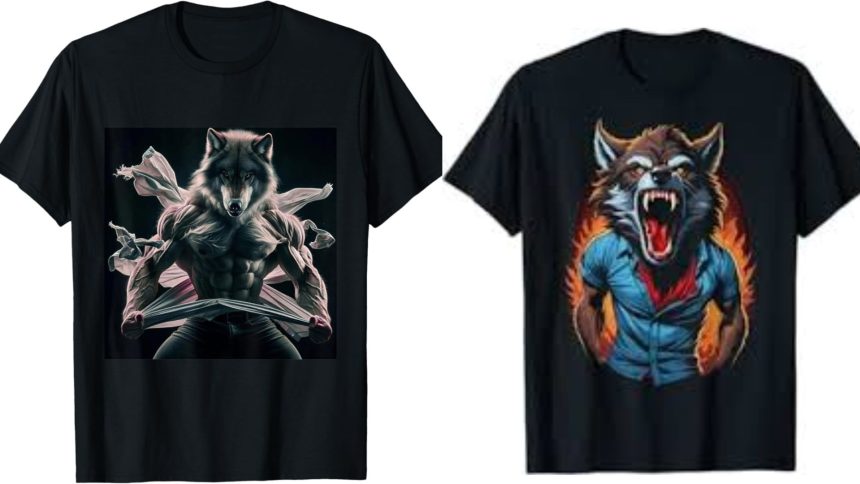
Have you ever seen an image of a fierce wolf tearing through fabric, muscles tensed, eyes blazing, as if it’s breaking free from something? It’s dramatic. It’s intense. And somehow, it sticks in your mind.
The concept of a wolf ripping through a shirt isn’t just about a wild animal or a cool graphic on clothing. It taps into something deeper—instinct, strength, transformation, rebellion, and even humor. From art and fashion to pop culture and symbolism, this powerful visual has found its place in modern storytelling.
Let’s explore what makes this image so captivating and why it continues to resonate with the general public.
The Power of the Wolf in Human Imagination
Before we talk about torn fabric and dramatic designs, we need to understand one thing: the wolf itself carries serious symbolic weight.
A Creature of Instinct and Freedom
For centuries, wolves have been seen as symbols of wilderness and independence. Unlike domesticated animals, they represent raw nature—untamed and unapologetic.
In stories, myths, and folklore across cultures, wolves often stand for survival, loyalty to the pack, and sharp intelligence. Think about it—how many times have you heard someone described as a “lone wolf”? That phrase alone paints a picture of strength mixed with solitude.
From Myth to Modern Media
The wolf has appeared in countless stories and films. In fairy tales like Little Red Riding Hood, it’s portrayed as cunning and dangerous. In contrast, characters like Jacob Black from the Twilight saga present a more complex, protective side of the creature.
Then there’s Remus Lupin from the Harry Potter universe, who embodies vulnerability and duality through his connection to the wolf.
Clearly, this animal isn’t just a background character in culture. It’s a symbol layered with meaning.
The Ripping Shirt Motif: Breaking Through Boundaries
Now let’s focus on the dramatic act itself—ripping through a shirt.
A Visual of Transformation
When we see fabric tearing open, what does it suggest? Change. Release. Revelation.
The image often shows a wolf bursting out from underneath human skin or clothing. It’s like something hidden is finally stepping into the light. Think of it as a cocoon moment—except instead of a butterfly emerging, it’s a powerful predator announcing its presence.
Hidden Strength Revealed
The shirt acts as a barrier. When it’s torn apart, the message is clear: there’s more beneath the surface.
This resonates deeply with people. We all feel like there’s something inside us—strength, anger, courage, or passion—that doesn’t always show. The image captures that exact emotion.
Fashion Trends and Graphic Tees
One of the most common places you’ll see this image is on clothing.
The Rise of Bold Animal Graphics
Graphic tees featuring dramatic animal imagery have been popular for decades. From roaring lions to soaring eagles, powerful creatures dominate streetwear and casual fashion.
A wolf tearing through fabric adds a dynamic twist. It’s not just a printed animal—it’s an illusion of movement and energy.
Why People Wear It
Let’s be honest. Sometimes, you just want to wear something that feels strong.
Putting on a shirt with this design can feel like wearing armor. It sends a subtle message: “There’s more to me than you see.”
It’s expressive without saying a word.
The Psychological Appeal
So why are we drawn to this imagery in the first place?
Connecting With the Inner Self
Humans have always had a complicated relationship with their primal side. We live in structured societies, follow rules, and control impulses. But deep down, there’s instinct.
The wolf represents that instinct. The tearing shirt represents breaking free from restrictions.
It’s almost like looking in a mirror and seeing your untamed reflection staring back at you.
Strength Without Apology
In a world where people often feel pressured to fit in, images of raw power stand out. They remind us that it’s okay to be bold.
And let’s face it—who doesn’t want to feel strong sometimes?
Pop Culture and Transformation Themes
Transformation is a recurring theme in entertainment.
Werewolves and Identity
From classic horror films to modern fantasy, the idea of humans transforming into wolves is everywhere. It’s a metaphor for dual identity—the civilized side versus the wild side.
Movies like The Wolfman and countless TV series have explored this tension between control and chaos.
The shirt-ripping image visually captures that exact moment of change—the second before the transformation is complete.
Superhero Comparisons
Think about how often superheroes rip through clothing during transformations. While not always wolf-related, the act symbolizes hidden power bursting out.
It’s dramatic. It’s cinematic. And it sticks with us.
Artistic Interpretation and Digital Design
Artists love this concept because it allows for creativity.
Illusion and Depth
Designers use shading and texture to create a 3D effect, making it look like claws are actually tearing through the fabric. The realism can be startling.
Digital art tools have made it easier than ever to create hyper-detailed animal features—glowing eyes, sharp fur strands, and dynamic motion.
Expression Through Contrast
The contrast between soft cloth and fierce predator creates tension. It’s delicate versus dangerous. Calm versus chaos.
That contrast is what makes the design visually compelling.
Humor and Parody
Interestingly, not every version of this image is serious.
From Fierce to Funny
Some designs replace the intense wolf with a cartoonish or smiling version. Others exaggerate the claws or add silly expressions.
This playful take transforms the image from intimidating to ironic.
Internet Culture Influence
Online meme culture has amplified dramatic imagery for comedic effect. The overly intense wolf design sometimes becomes a nostalgic nod to early 2000s graphic fashion.
It’s proof that symbols can evolve—and even poke fun at themselves.
Masculinity, Identity, and Self-Expression
The image often appears in conversations about strength and identity.
A Symbol of Toughness
For many, wolves represent resilience and dominance. Wearing such imagery can feel empowering.
It’s similar to sports logos or military insignia—visual shorthand for courage.
Beyond Gender
While often marketed toward men, the symbolism isn’t limited. Anyone can relate to the idea of hidden strength and independence.
Power doesn’t belong to one group. It’s universal.
Cultural Interpretations Across the World
Different cultures see wolves in different ways.
Native Symbolism
In some Native American traditions, wolves are seen as teachers and pathfinders. They symbolize loyalty and cooperation within a community.
European Folklore
In parts of Europe, wolves were historically feared, associated with danger and the unknown forest.
When a wolf tears through a shirt in art, these layered meanings come together—fear, respect, strength, mystery.
The Role of Social Media
Platforms like Instagram and TikTok have revived bold graphic styles.
Viral Aesthetic
Striking visuals perform well online. A dynamic, intense design easily grabs attention while scrolling.
Self-Branding
People curate their online image carefully. Wearing bold designs becomes part of that identity.
It’s not just clothing—it’s storytelling.
Is It Just a Trend or Something Deeper?
Trends come and go. But symbols? They linger.
The wolf has survived centuries of storytelling. The act of tearing fabric has long symbolized transformation and revelation.
Together, they create a powerful metaphor: the self breaking free.
It’s more than a fashion choice. It’s emotional language.
Why the Image Endures
If we step back, the appeal becomes clear.
The wolf ripping through a shirt is like thunder cracking across a quiet sky. It demands attention. It suggests movement, emotion, and hidden depths.
We’re drawn to it because it reflects something inside us—the part that wants to run wild, speak boldly, and live authentically.
And maybe that’s why it continues to appear on shirts, posters, memes, and digital art. It taps into something timeless.
Conclusion
At first glance, a wolf tearing through fabric might seem like just another dramatic graphic. But look closer, and you’ll see layers of symbolism—freedom, transformation, instinct, power, and identity.
It resonates because it tells a story without words. It reminds us that beneath everyday appearances, there’s something stronger waiting to emerge. Whether worn as fashion, shared as art, or enjoyed as humor, the image continues to connect with people on a personal level.
In the end, it’s not just about a wild animal or torn cloth. It’s about the universal desire to break free and reveal who we truly are.
FAQs
1. What does a wolf tearing through a shirt symbolize?
It usually represents hidden strength, transformation, freedom, and the release of one’s inner instinct or power.
2. Why is the wolf such a popular symbol in fashion?
Wolves symbolize independence, loyalty, and resilience, which many people find inspiring and empowering.
3. Is the design connected to werewolf stories?
Yes, it often draws inspiration from transformation themes found in werewolf legends and popular films.
4. Are wolf-themed graphic shirts still in style?
Bold animal graphics continue to cycle in and out of mainstream fashion, but their symbolic appeal keeps them relevant.
5. Can this imagery be humorous as well as serious?
Absolutely. While many designs emphasize strength and intensity, others use exaggeration or cartoon elements for a playful twist.