Have you ever heard someone joke that they “live in Sinpcity” because they went a little over the top trying to impress someone? Or seen a creative reel captioned with the word and wondered what it really means? Maybe you stumbled on a digital platform or meme world with this name. Whatever brought you here, you’re in the right place.
In this article, we’ll unpack what Sinpcity is, where it came from, how it’s used, and the ideas it reflects about modern connection, digital culture, and human behavior. We’ll explore real internet trends, social commentary, creator economy elements, plus some fun cultural context — all in a friendly, easy‑to‑read style.
Let’s dive into this fascinating idea that’s more than just a word — it’s a vibe, a metaphor, and a digital mirror.
What Exactly Is Sinpcity?
At its core, Sinpcity isn’t a physical city you can visit. It’s a concept — a portmanteau blending the internet slang “simp” with the idea of a city or community space. In internet culture, this creates a playful or ironic idea of a place where dramatic admiration, emotional expression, or devoted attention is the norm — almost like a whole world built around that behavior.
Imagine a city where emotional investment has streets and neighborhoods, where vulnerability has skyscrapers, and where devotion is as common as traffic lights. That metaphorical picture — imaginative, a bit funny, and a touch chaotic — is exactly why the term took off. It helps people laugh at themselves and each other, without taking things too seriously.
The Origins: From Slang to Culture
What Is “Simp” Anyway?
To understand Sinpcity, we first need to meet its parent word: simp.
Originally, “simp” was slang used to describe someone who gives too much attention or energy — usually in a romantic or flirtatious context — often without getting much back. It became common in online spaces like social media and gaming communities, used both jokingly and critically.
Over time, this term evolved beyond an insult. People started to use it jokingly or self‑referentially: “I’m such a simp for that song,” “I simp hard for that creator,” and so on. It became a playful way to admit admiration or affection.
So Then What’s Sinpcity?
Like cities can be hubs of activity, Sinpcity emerged as a way to talk about a world or place (in jokes, memes, or imagined spaces) where ‘simping’ behavior is just part of daily life. It’s like imagining a digital metropolis where people openly pursue admiration, attention, or connection — sometimes with dramatic flair.
Some describe it as a satirical metaverse or creative digital realm where loyalty, fandom, and quirky devotion intersect in humorous ways.
Where You’ll See Sinpcity
This term pops up in several places online:
1. Social Media & Meme Culture
On platforms like TikTok, Reddit, X (formerly Twitter), and Instagram, creators use the word in videos, captions, threads, and jokes. It’s often used to poke fun at exaggerated devotion or emotional moments — either about relationships or fandom behavior.
For example, a short video might dramatize someone going way too far trying to win someone’s attention, then captioned “Welcome to Sinpcity.” That’s humor with a wink — it’s self‑aware and not meant to be literal.
2. Internet Communities
In Discord servers and online forums, fans sometimes riff on the idea like it’s an actual place. People share inside jokes, role‑play scenarios, or mock “city rules” based on themes of admiration, memes, and digital culture.
Think of it as digital theater: participants play along with the joke, creating stories and personas with a wink.
3. Creative Platforms
Some digital platforms and virtual worlds use “Sinpcity” as branding or inspiration for experiences where users can explore, interact, customize avatars, and build community — turning the idea into a mini ecosystem of social and creative expression.
This use isn’t universal, but it shows how the term’s appeal has moved into interactive spaces.
Why Sinpcity Matters in Modern Culture
It might sound silly on the surface — and that’s part of its charm — but Sinpcity speaks to deeper trends in how we connect, relate, and present ourselves online.
1. Parasocial and Online Relationships
In the age of social media stars, streamers, and influencers, many people form strong one‑sided attachments to creators they’ve never met. Sinpcity playfully reflects that world where admiration can be intense and public.
These parasocial links — where one person feels emotionally invested without mutual exchange — are common in modern digital life. The humor in Sinpcity lets people acknowledge it without feeling awkward.
2. Emotional Expression in the Digital Age
Long gone are the days when feelings were only discussed face‑to‑face. Today’s generations often express emotion publicly — through tweets, reels, comments, and more. Sinpcity captures that landscape, exaggerating it in a way that’s self‑aware and fun.
3. Meme Aesthetics and Shared Jokes
Internet culture loves metaphors and shared language. Sinpcity works because it’s instantly visualizable and relatable, even if someone’s never visited a digital city. It becomes a shorthand for a feeling, a vibe, or a behavior — like “living in Sinpcity” when you admit you went overboard for someone you like.
A Social Mirror: What Sinpcity Reflects
Even metaphors hold mirrors up to society. Sinpcity indirectly sparks broader questions like:
- What’s the difference between admiration and obsession?
- How do we balance emotional openness with self‑respect?
- Are online relationships just as “real” as offline ones?
By inviting laughter and self‑reflection, Sinpcity allows users to explore these ideas without judgment.
How the Term Is Evolving
Like all internet slang, Sinpcity doesn’t stay fixed. Its meaning depends on how people use it — and that’s part of its joy.
Some see it as:
- A fun joke about emotional behavior.
- A creative concept for digital interaction spaces.
- A brand identity or aesthetic mood used in captions and visuals.
- A commentary on online culture — blending satire with recognition.
This fluidity shows how digital language evolves. A single term can mean slightly different things to different people, and that’s okay.
The Meme, the Trend, and the Lifestyle Vibe
Sinpcity doesn’t just sit in a dictionary — it feels like a mood. It can describe:
- That moment you put your heart on your sleeve online.
- A community built on mutual quirks, humor, and creativity.
- A digital space where norms are playful, not rigid.
- A metaphorical “city” where emotional expression isn’t hidden.
In short: it captures a kind of attitude — bold, expressive, unfiltered — without taking itself too seriously. And that’s exactly why it sticks around in online conversation.
Sinpcity Inside Digital Worlds
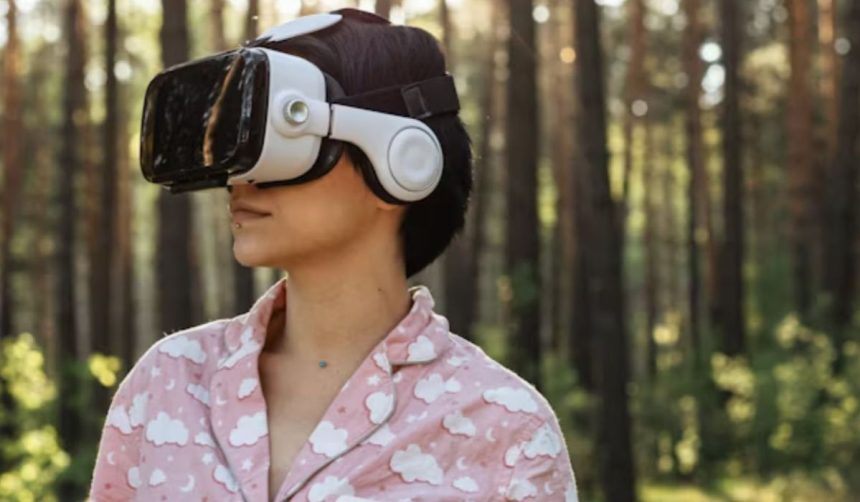
Some digital platforms take this idea a step further by creating immersive online spaces (virtual platforms) where people can explore, interact, and build creative identities. These versions of Sinpcity may let users customize avatars, chat, play games, and create content together in a shared online world.
This blends social media, gaming, and creative expression — almost like a virtual downtown full of color, community, and collaborative energy.
Whether your version of Sinpcity is a meme, a caption, or a full‑blown virtual experience, it’s a space that reflects curiosity, creativity, and personality.
Thinking Critically About Sinpcity
While funny and expressive, the concept raises some real questions:
Privacy & Online Sharing
Some online offshoots tied to this idea have gotten into controversial areas — including sharing content without permission — raising issues about respect and safety in digital spaces.
Emotional Health
Laughing about dramatic online devotion is fine — but remember to balance digital affection with real‑world emotional boundaries.
Community Responsibility
Like any shared space — real or metaphorical — healthy interaction thrives on respect, consent, and empathy.
Sinpcity might be a joke on the surface, but it reminds us that digital culture is built on real human feelings — connection, admiration, and sometimes over‑the‑top expression.
Final Thoughts
So, what is Sinpcity? There’s no single answer — and that’s what makes it fascinating.
It’s:
- A metaphor for exaggerated attention and affection.
- A meme and cultural trend.
- A creative concept in online storytelling and community building.
- A reflection of how digital age relationships and identity play out.
Whether you see it as a joke, a cultural commentary, or a fun creative space, Sinpcity captures something uniquely modern: the blend of emotion, humor, community, and technology that defines today’s internet culture.
And who knows — maybe next time you go a little overboard for a crush, you’ll think, “Guess I’m living in Sinpcity” with a smile.
Frequently Asked Questions (FAQs)
- What does Sinpcity mean?
It’s a play on the word “simp” and “city,” representing a metaphorical or digital space where exaggerated admiration or devotion is joked about, often humorously. - Is Sinpcity a real place or website?
Not in the traditional sense. It’s mainly a cultural and internet term, though some digital platforms use similar names for creative or social spaces. - Where did Sinpcity originate?
It grew organically on social media, especially TikTok and forums, as a humorous way to describe intense attention or devotion online. - Is the term negative?
Not necessarily — it can be playful or self‑aware. Context matters: sometimes it’s lighthearted humor, other times it may critique behavior.
5. How is Sinpcity used in digital culture?
People use it in memes, captions, creative storytelling, community spaces, and even virtual platform branding to evoke a vibe of expressive connection.